
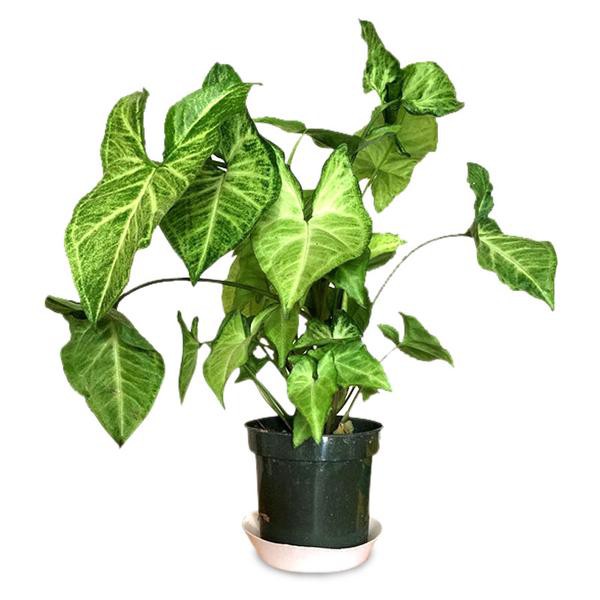
Syngonium Podophyllum White Butterfly


Original price was: ₹440.00.₹380.00Current price is: ₹380.00.
Description for Syngonium Podophyllum White Butterfly
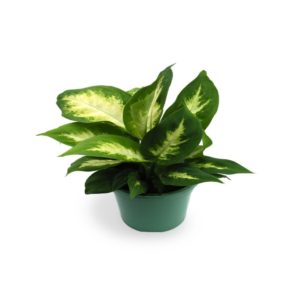
As a young plant, its leaves start out heart-shaped, then gradually become arrowhead shaped as it matures. Its dark-green leaves have silvery white or cream variation, making this a decorative and popular house plant. Although it may be grown outdoors in some regions, the arrowhead plant is typically grown as a house plant.
Planting and care
It is easily grown is a house plant in warm, humidified areas. Prefers bright indirect light. Protect from direct sun. May be grown on a moss pole or in a hanging basket. Best grown in a soil based potting mix.
Water regularly during the growing season, but reduce watering from fall to late winter.
Likes high humidity, so consider sitting plant in a humidified room or place pot on a tray of wet pebbles.
Water less often in winter, letting the top half of the potting mix dry out.
In winter, feed monthly.
Caring for Syngonium Podophyllum White Butterfly
- Arrowhead plant care requires humid conditions, especially during dry winter months.
- Mist the plant daily or place its container on a tray filled with pebbles and water to increase humidity for optimal growth.
- Keep them away from direct sunlight, as this will cause the arrowhead plant to burn or bleach.
- The arrowhead plant root structure is quite extensive, spreading and growing to the point of becoming invasive in the wild.
- Even within a contained environment, because of arrowhead plant root structure, the plant should be repotted every second spring.
Typical uses of Syngonium Podophyllum White Butterfly
Special features: As a house plant, it is typically grown for its attractive ornamental foliage which changes shape as the leaves mature.
Juvenile leaves are ovate with heart-shaped bases and sometimes with silver variegation.
Ornamental use: Hanging plant, twining or climbing, groundcover, potted plant when young. Display arrowhead plant alongside a group of other foliage plants or add it to a dish garden. Small plants mix well with compact peace lilies and English ivy because they require similar care.
Be the first to review “Syngonium Podophyllum White Butterfly”
Related products
Indoor Herbs & Edibles
Indoor Foliage Plant
Indoor Foliage Plant

Indoor Foliage Plant
Indoor Creepers & Ferns
Indoor Plants
Indoor Foliage Plant
Indoor Foliage Plant
Reviews
There are no reviews yet.